


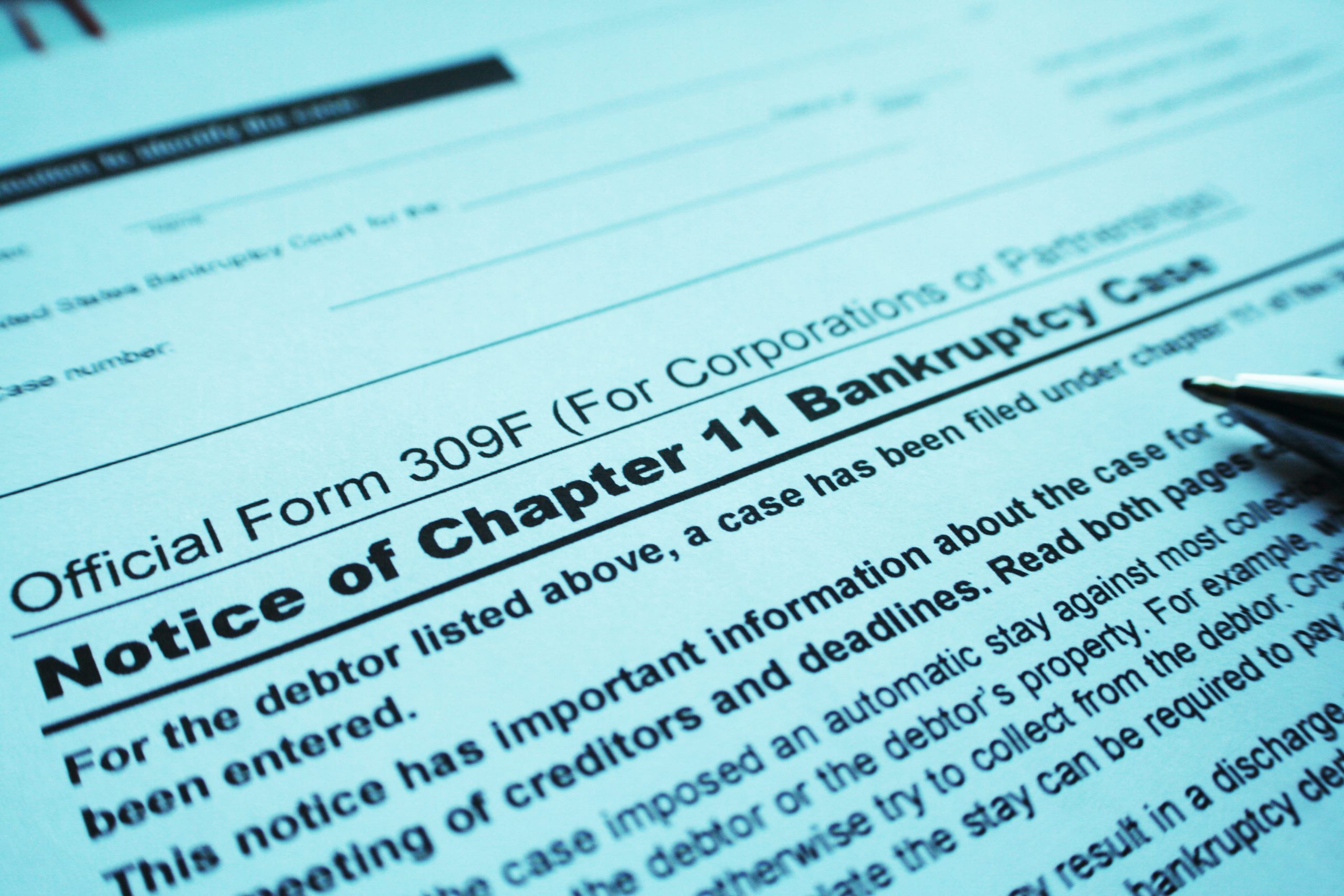
Procqure helps organizations undergoing Chapter 11 restructuring identify immediate cost reduction opportunities, strengthen supplier management, improve cash flow, and establish procurement strategies that support successful business recovery.
Our team brings specialized Chapter 11 procurement expertise, including supplier confidence management, contract assumption and rejection analysis, critical vendor strategies, and liquidity-focused procurement planning.
Our restructuring-focused procurement services provide the expertise, analytics, and execution support needed to stabilize operations while creating a foundation for long-term financial and operational improvement.
Why It Matters
During Chapter 11 proceedings, organizations face intense pressure to improve cash flow, reduce operating expenses, manage supplier risk, and maintain business continuity. A disciplined procurement strategy can help organizations preserve liquidity, renegotiate supplier agreements, improve working capital, and identify immediate savings opportunities without compromising operational performance.
Preserve cash and improve working capital.
Identify rapid cost reduction opportunities.
Renegotiate supplier agreements and commercial terms.
Reduce supplier-related risks and disruptions.
Improve spend visibility and financial controls.
Support restructuring objectives through sustainable procurement improvements.
Maintain continuity of supply during periods of organizational change
Follow court-supervised restructuring requirements
Our Approach
Our restructuring methodology focuses on rapid assessment, immediate action, and sustainable value creation.
Rapid Spend Assessment
We perform an accelerated review of spend categories, supplier contracts, payment terms, and procurement activities to identify immediate opportunities for savings and cash preservation.
Supplier Risk & Criticality Analysis
We evaluate supplier dependencies, business continuity risks, and critical supply relationships to ensure operational stability throughout the restructuring process.
Contract & Commercial Review
We assess supplier agreements, pricing structures, payment terms, and contractual obligations to identify opportunities for renegotiation and cost reduction.
Cash Flow & Working Capital Optimization
We develop procurement strategies that improve payment terms, inventory management, sourcing practices, and supplier engagement to enhance liquidity and working capital performance.
Cost Reduction & Value Capture
We implement targeted sourcing initiatives, supplier rationalization programs, spend controls, and category strategies designed to generate measurable savings quickly.
Recovery & Transformation Roadmap
Beyond immediate restructuring needs, we develop a roadmap that supports long-term procurement efficiency, governance improvements, and sustainable financial performance.
What You Gain
Identify and execute rapid savings initiatives that deliver measurable financial impact during restructuring.
Enhance liquidity through procurement controls, working capital improvements, and supplier negotiations.
Reduce disruption risks by proactively managing critical suppliers and supply chain dependencies.
Improve procurement governance, spend visibility, approval processes, and compliance management.
Optimize commercial terms, pricing structures, service levels, and contract performance.
Establish procurement practices that support long-term financial health and operational excellence beyond Chapter 11.

Drawing from our experience with retail organizations undergoing Chapter 11, we guide procurement transformation in four distinct dimensions. Each dimension is interconnected but requires specific focus to drive an effective restructuring process:
Unlike standard procurement transformation, the first step is triage of all existing contracts and leases. Under Chapter 11, a procurement leader must help identify which contracts to assume (with cure payments and performance assurance) and which to reject (thus converting obligations into unsecured claims).
The operating model must reflect the “in-possession” status. Governance, approvals, and risk frameworks must align with the bankruptcy court, creditor committees, and new financing structures.
Time is critical in Chapter 11. Digital platforms must provide rapid spend visibility, contract analytics, and scenario simulation. For example, what happens if 150 supplier contracts are rejected? Suppliers may demand quick supplier-summary data, and procurement must deliver.
Suppliers must be managed through the disruption: contract status changes, payments may be delayed or restructured, requisition volumes may drop abruptly. Procurement’s talent must be trained for the new “restructuring mindset,” not the usual “cost-center mindset.”
When done well, procurement can drive value in a distressed environment by decoupling burdensome contracts, protecting liquidity, and accelerating recovery.
Procurement then becomes a critical lever in restructuring and sets up the business to re-emerge stronger. Procurement transformation under Chapter 11 is not just about doing things differently—it’s about doing different things, quickly, under a new set of legal and market rules.